Blog Post
September 25, 2026
What My First 100 Days With WHOOP Taught Me
The data is good. Whether you can act on it is another question.
After 100 days with a WHOOP, there's a lot I like about it. But I've started to wonder whether its data is really built for people who can afford to buy back their time.
This is not a sponsored post. I bought my WHOOP with my own money, and the opinions here are entirely my own.
I just hit 100 days with my WHOOP, which feels like enough time to have formed some real opinions.
I wanted a WHOOP for years but could never pull the trigger. The $200+ annual subscription always felt like too much. Then, within the last year, I was diagnosed with a medical condition that is heavily influenced by stress. Stress tracking stopped being a nice-to-have, and the cost finally felt like a worthwhile investment.
I'll start with the positives.
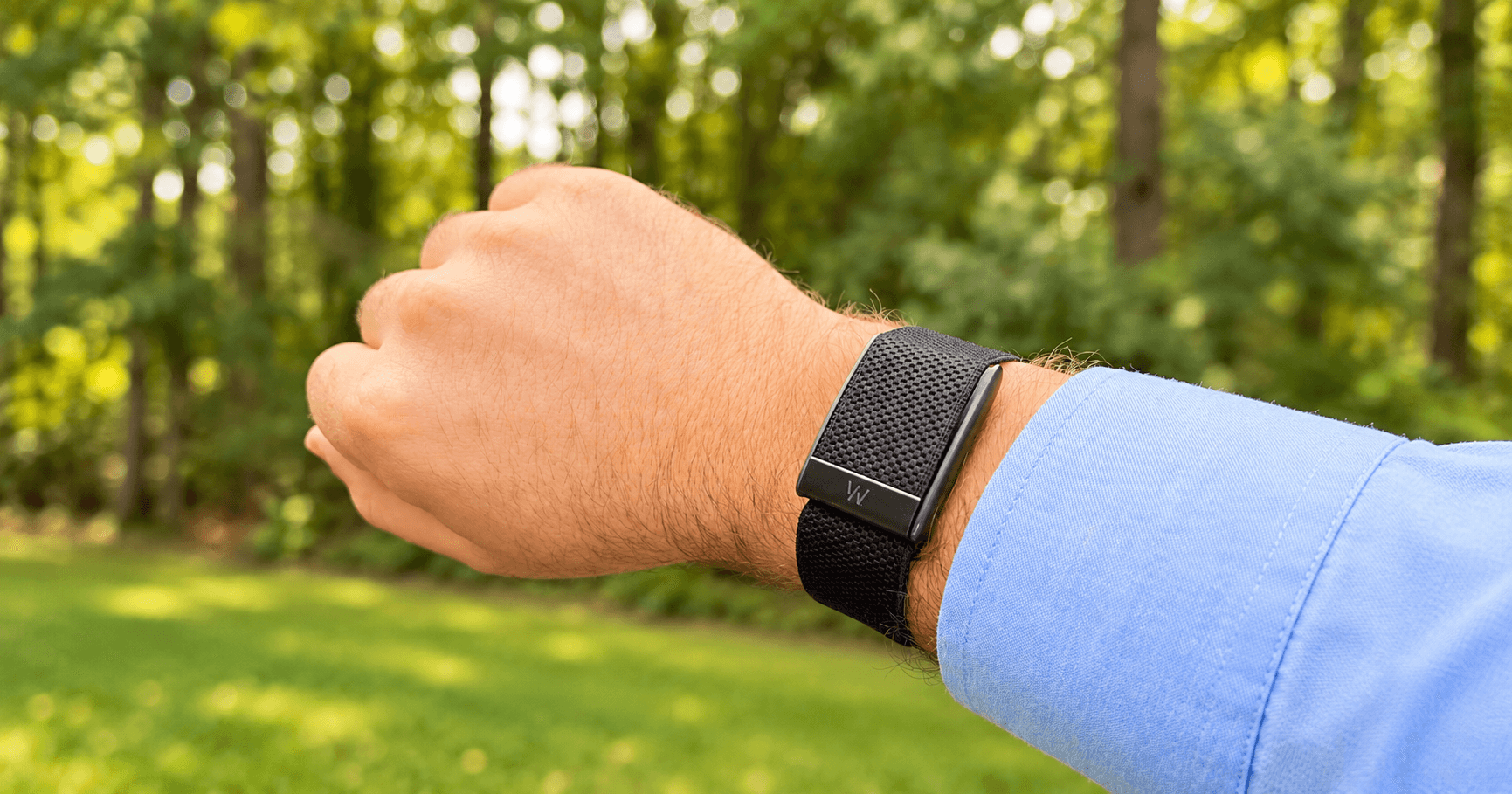
What I like most is that you never have to take it off to charge it. It's one of WHOOP's biggest selling points, and I still think it's underrated. My Apple Watch needed a charge every day, which meant choosing between wearing it during the day or wearing it to sleep. WHOOP doesn't make you choose. The battery lasts about two weeks, and when it needs a charge, I snap the charger on while it's still on my wrist and move on with my day. That's a really smart piece of design.
Second, the app. It's clean and easy to use, and the most important data is the first thing you see when you open it. I can check my progress (or regression) over time at a glance, and as a busy person, that simplicity matters a lot to me.
Finally, WHOOP Age, one of the new features that came with the 5.0. I don't dig too deeply into why I'm getting the number I'm getting, but it's fun to watch it tick down, especially now that it's below my actual age. It gamifies the app in a way that works and gives me a reason to keep improving.
Now for the negatives.
Part of why I finally bought a WHOOP was that every "successful" person seemed to have one on, from founders to pro athletes. I figured that couldn't be a coincidence. There had to be something to it, and I wanted to be part of that. But I've come to think there's a reason you see a WHOOP on people at the top of their fields more often than on your friends or coworkers.
The data WHOOP provides is valuable, and it can make a real difference in your health if you're able to act on it. That's the catch. I think the biggest problem with WHOOP is that you need to be at a certain socioeconomic level to get the full value out of it. You have to be in a position to buy back your time.
WHOOP, and wearables like it, give you data you often can't do much about. Right now I'm working three jobs: a full-time job, a part-time job, and a startup I'm trying to get off the ground. On top of that, I still need to grocery shop, make dinner, and be a good partner. I simply don't have time to get the sleep my WHOOP says I need. I try to work out every day because my WHOOP Age and other metrics improve when I do, but the only time I can fit it in is 5:30 in the morning. That means I should be in bed much earlier, but most nights I have meetings until at least 9:00, and after that there's still the rest of the day's to-do list.
So I wake up after five or six hours of sleep, and my WHOOP tells me my sleep was short and my recovery took a hit. And I think: yeah, I could have told you that. Why am I paying $200+ a year to hear what I already know?
My conclusion is that the data WHOOP provides is probably great for the right person. But I, and likely plenty of people far busier than me (I'm not even a parent!), just don't have the room in our lives to benefit from it. That's why I probably won't be renewing next year.
That said, it's only been 100 days. WHOOP has another 265 to change my mind.
Get new posts by email
No spam, just an email when something new goes up.